
When living with chronic illness, life often gives you lemons
I thought I had the flu, but it turned out to be much more serious
Written by |

Just as life seemed to be moving smoothly for me and a new treatment was showing promise, I unexpectedly found myself “on vacation” at my local hospital. For those of us navigating the complicated world of chronic and rare illnesses, these unplanned hospitalizations are sometimes inevitable.
Living with a rare disease like pulmonary hypertension (PH) is anything but predictable. It’s not like dealing with a common cold or the flu, where symptoms generally follow a linear progression.
One moment, I might be feeling fine — perhaps attending a rewarding Pilates class that offers a brief illusion of normalcy — and by evening, a subtle shift in my symptoms can be cause for concern. I might find myself curled up on the couch with a heated blanket, desperately trying to self-manage, only to end up in the emergency room hours later when the symptoms refuse to subside or even worsen.
Managing chronic illnesses makes trips to the ER especially stressful, due to anxiety and fears of being dismissed or misunderstood by the medical team. The idea of waiting hours to see a provider who is unfamiliar with a complex condition often leads many of us who have chronic illnesses to avoid the ER altogether. Instead, we frequently call specialized providers for guidance or visit a local urgent care center, which is usually a faster and less stressful option for initial assessments. That’s what I did this time.

A life-threatening situation
After three to five days of worsening symptoms that included deep body pain, persistent headaches, mild congestion, and crushing fatigue beyond my usual chronic exhaustion, I assumed I was coming down with the flu or another seasonal virus. With various illnesses circulating, it seemed like the most likely cause.
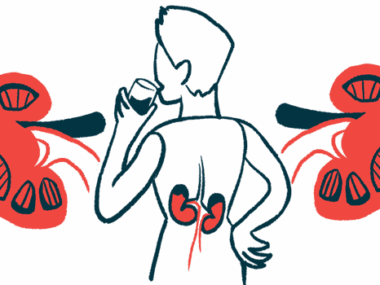
Following my usual symptom protocol, I visited my local urgent care center for evaluation. But I was wrong. It wasn’t the flu, and blood tests and a thorough physical examination pointed to the symptoms being critically linked to my stage 4 kidney disease and a dangerous condition called hyponatremia, or severely low sodium levels in the blood. I had to be hospitalized.
This sudden hospitalization was a stark reminder of how challenging it is to manage a rare disease like PH, especially with coexisting conditions. It’s a constant balancing act where one illness often complicates another, turning a simple flu-like episode into a serious medical crisis. This experience highlighted that, with multiple conditions, the body rarely behaves in a predictable manner.
During flu season, it can be challenging to determine whether symptoms are caused by PH, other chronic illnesses, or seasonal viruses. Even after managing PH for over 20 years, I still don’t always get it right.
Anna Jeter, a fellow PH columnist and dear friend, recently wrote something that deeply resonated with me, especially in light of my recent hospitalization. Her column, titled “Perfect health isn’t my goal, just long stretches between setbacks,” captures the reality of managing PH.
“When you live with a chronic and complex illness, complications and side effects from the medications to treat it are always lurking around the corner,” she writes, “even in the most stable of times.”
Living with a rare disease means facing unexpected challenges, but each one teaches me resilience and the importance of listening to my body. Whether it’s managing my medication, monitoring my diet and fluid intake, or advocating for myself with doctors, every small action helps me stay on track.
Like Anna, I’m learning to give myself grace during tough times. As I work to regain my strength after this hospitalization, I remind myself to appreciate how much my body has endured. It’s not always easy, but I’m taking it one step at a time.
Although I love lemons, when life gives them to me, my body gives me hyponatremia instead of lemonade!
Note: Pulmonary Hypertension News is strictly a news and information website about the disease. It does not provide medical advice, diagnosis, or treatment. This content is not intended to be a substitute for professional medical advice, diagnosis, or treatment. Always seek the advice of your physician or other qualified health provider with any questions you may have regarding a medical condition. Never disregard professional medical advice or delay in seeking it because of something you have read on this website. The opinions expressed in this column are not those of Pulmonary Hypertension News or its parent company, Bionews, and are intended to spark discussion about issues pertaining to pulmonary hypertension.


Sarah Jones
So well said! Yes if only we did get lemonade! Thank you for sharing!
Jen Cueva
True, Sarah, especially that I love lemons! 🍋
Lori
Jen- you are a rockstar! You are incredibly brave to share your story. I am also doing a be treatment and I gave an education session to my Dr and her Sr physician. Keep fighting!!
Jen Cueva
Hey Lori, speaking of Rockstars! You are such an incredible and brave advocate for sharing your experiences and stories to help not only the patien ts and caregivers, but also those who care for us! Keep shining!
Cheers to 2026!
Carol Volckmann
Oh no Jen, I am so very sorry you ended up in the hospital 😢. My heart goes out to you sending lots of positive warm vibes full of love ❤️ and care!!!
The last stint I had in the ER/Hospital our PCP doc told us to get Campbell's Chichen and Rice or Chicken Noodles and it had to be Campbell's because of the sodium!! Having it certainly brought back childhood memories - it actually was very good.
As I write this I am in the ER waiting for the transport to take me to UW Med Center again - this time kind of major annal bleeding not stopping.
Maybe we should just a room together ❤️ 🤔.
Please go easy, listen to your body, rest and allow yourself grace and I will do the same.
Love you dear sweet friend ❤️
Jen Cueva
Oh my dear friend, Carol! How did I miss this comment from last month? Did you mention this to me in an email or text as I don't recall this hospital stunt you had and just feel so bad. I hope and pray that you and Dick (Cloud, too) are doing much better. May 2026 bring ius all better days and healthy as possible!
Now, let's try hard NOT to be hospital mates, my dear friend!One day at a time, baby steps if needed but we keep on moving!
Extra gentle love, hugs, and positive thoughts coming your way from San Diego! <3