
Pulling back the curtain of our private lives with pulmonary hypertension
Greater understanding begins when others are allowed to see more of our reality
Written by |
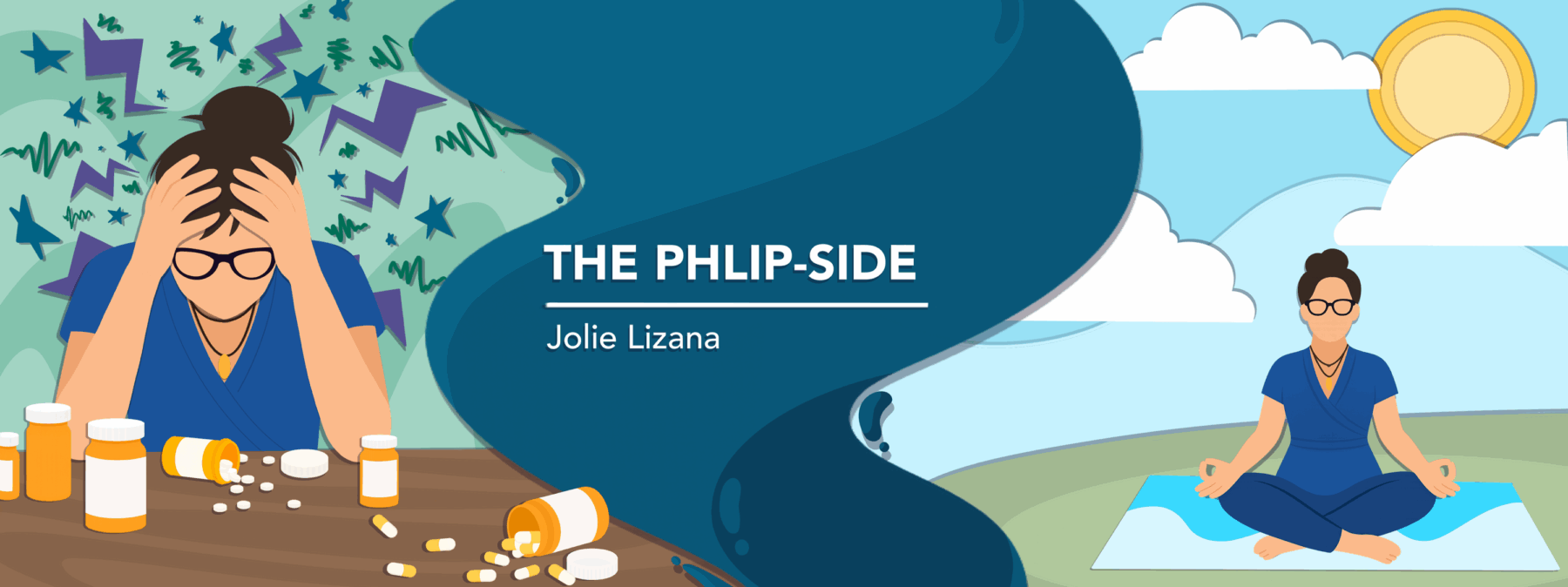
In a certain way, life with pulmonary hypertension (PH) can resemble a social media profile. What other people see may appear polished, remain private and guarded, or be raw and heavy — but it rarely reveals the whole story.
A social media profile is not necessarily false simply because it is incomplete. It shows what someone is willing or able to make visible. Life with PH can work the same way. Sometimes we show the outside world only the polished, put-together, and most presentable versions of ourselves. We may be traveling, working, parenting, or participating in advocacy without expressing the work it took to get there.

Just as a social media image cannot show breathlessness, we don’t often reveal how much energy is required to get dressed, leave the house, or attend an event. A successful day does not show the recovery that may follow it. What appears effortless may have required careful planning, medication, sacrifice, determination, and even self-detriment.
Someone may see us walking around and decide that we’re fine all the time. They may see us laughing and assume that we are doing well. One visible moment may be mistaken for evidence that difficult moments do not exist.
Sometimes we share very little about our lives with PH, and so it remains private and guarded.
Beyond the profile
We may limit what people know because we fear pity, unsolicited advice, disbelief, or other negative reactions. We may not want to explain our condition repeatedly or defend the seriousness of an illness others cannot see. Sometimes we distance ourselves from our diagnosis because we don’t want it to also consume every conversation or relationship.
People don’t owe others access to their private fears, losses, or trauma. At times, it’s easiest for patients to set it aside mentally for a while and enjoy their lives as best they can, never mind attempting to educate or open up to strangers.
Sometimes, however, sharing our struggles and the raw realities of life with PH can feel liberating or impactful.
Patient stories of living a meaningful and fulfilling life after diagnosis, sharing lesser-known symptoms or side effects, and tips and tricks to help others have a powerful ripple effect in the community. Sharing the emotional weight and mental toll accompanying a PH diagnosis gives much-needed normalcy to the thoughts and emotions of others. However, for many, these thoughts can be particularly difficult to express because we don’t know how to interpret our emotions, much less pinpoint a name for them and express them to others.
If you think about a song you love and hearing it for the first time, many of us can think, “Oh my goodness, that’s exactly how I feel!” I’ve even asked others to listen to whole songs because I wanted them to know how I felt, and they expressed my feelings in words I didn’t have. I recall telling others many times in my life, “Shhh! Listen to the song. This is how I feel!” The rest of the world stopped in those moments, and I was finally able to pinpoint the emotion so they could understand what I had been unable to put into words. Those moments are powerful.
Expressing raw honesty as a PH patient offers other PH patients that opportunity to say, “That’s exactly how I feel!” And in that moment, we feel heard, seen, and understood by others. We have something to give our loved ones to read so that they can understand our thoughts, emotions, and experiences. This is why I share so candidly here with all of you.
Still, those outside the PH community may not see my health struggles or know that even though I try to live life to the fullest, I still grieve the loss of my career and of the life my healthier body once afforded me. I don’t make these points so readily available for the second someone might scroll past my post. But I’ve started wondering what might change if I did, if we all did.
While no patient is responsible for educating anyone other than themselves, and no one should feel obligated to disclose private experience, others cannot fully understand conditions, or the lives of the people affected by them, when they know very little about these things. What if we shared more?
Perhaps greater understanding begins when others are allowed to see a little more of what exists beyond the profile.
For more about my journey, follow me on Facebook or Instagram.
Note: Pulmonary Hypertension News is strictly a news and information website about the disease. It does not provide medical advice, diagnosis, or treatment. This content is not intended to be a substitute for professional medical advice, diagnosis, or treatment. Always seek the advice of your physician or other qualified health provider with any questions you may have regarding a medical condition. Never disregard professional medical advice or delay in seeking it because of something you have read on this website. The opinions expressed in this column are not those of Pulmonary Hypertension News or its parent company, Bionews, and are intended to spark discussion about issues pertaining to pulmonary hypertension.



Jolie Lizana
I thoroughly enjoyed this conversation. It's really nice to have our feelings/thoughts validated and excused by others who understand.
Thank you, Debbie and Karen!
Liz C. Fry
I loved this post. It's exactly my experience in that I was diagnosed a bit over 12 years ago, severe PH 53 ! and heart failure, and idiopathic. But the thing about receiving that shocking diagnosis, is that it was also a relief. For years it had been creeping up on me, while various specialists said "nothing to see here".
I thought I'd die before I found out what was wrong, but no. Finally a specialist put me through a raft of tests and voila! There it was.
I'm lucky. After 2 cardiac stents and a pacemaker, and a good ongoing Clinic, I am alive and kicking. My Cardiologist tells me I am unusual. With my high pressure I would be expected to be much worse.
I was recently diagnosed with atrophic gastritis so now I have to watch my diet and get regular checkups.
Mmmm 🙄 just one thing after another, eh?
I'm 84, but about 40 in my mind, so I guess I'm ok. 🌹🌹To all Phrends out there.
Jolie Lizana
Thank you for your comment.
Your journey is similar to mine. I was diagnosed with heart failure and idiopathic PH in 2013 at 36, after I'd been seeing specialists and visiting the ER on a regular basis. It's far too common a story for such an aggressive disease. Hopefully, diagnostic testing continues to evolve and this changes.
But it's always nice to hear when someone beat the odds.
Wishing you all the best!