
Finding emotional support while living with pulmonary hypertension
Emotional support isn't something we have to earn by reaching a breaking point
Written by |
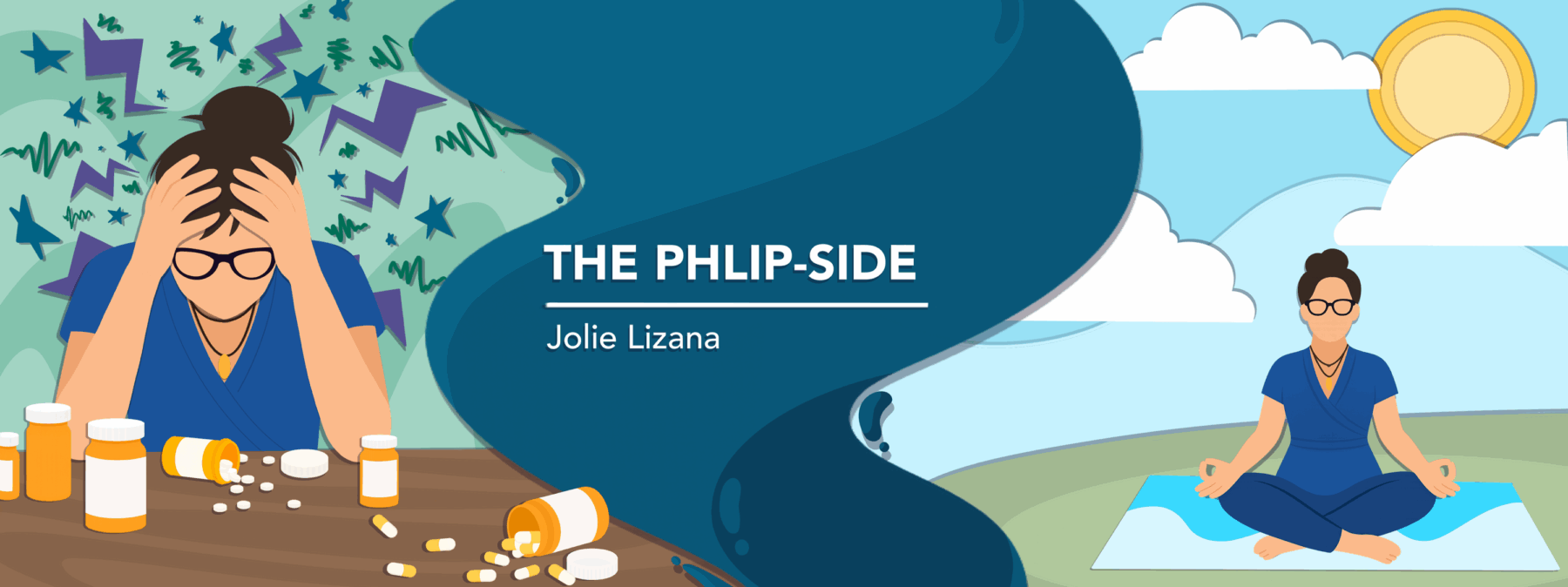
Living with pulmonary hypertension (PH) involves much more than managing symptoms, taking medications, and attending medical appointments. There is also an emotional side to chronic illness that can be difficult to explain, even to the people closest to us.
I know how much energy it takes to manage a chronic illness while maintaining a life beyond it. Responsibilities, relationships, and everyday challenges don’t disappear because we have PH. Sometimes, the emotional demands can feel just as overwhelming as the physical ones.
We often hear about the importance of having a support system. But what happens when we don’t have one? Or when the people who care about us don’t fully understand what we’re experiencing?
Fortunately, several organizations and communities offer emotional support, and many of their services are free.

Connecting with people who understand
It’s true that living with PH can sometimes feel isolating, particularly when the people around us haven’t experienced similar health challenges.
We can describe breathlessness, fatigue, and physical limitations, but the uncertainty, frustration, and emotional adjustments that accompany these symptoms aren’t always as easy to communicate.
The Pulmonary Hypertension News Forums provide a place for patients, caregivers, and family members to connect and discuss life with PH. Conversations cover treatments, symptoms, grief, mental health, relationships, and everyday challenges.
The Pulmonary Hypertension Association also offers in-person and virtual support groups, online communities, and peer mentoring. Its patient and caregiver support line at 800-748-7274 is another resource for those seeking information and connection.
Beyond PH-specific communities, PatientsLikeMe is a free online community that connects people living with various health conditions through shared experiences. Patients often face similar challenges involving independence, emotional exhaustion, and adjusting to chronic illness, regardless of their diagnoses.
When we need professional emotional support
While peer connections are valuable, there are times when we may need additional help.
Living with a serious illness can affect our confidence, independence, relationships, and plans for the future. We may experience grief over abilities we’ve lost, anxiety about our health, or frustration with limitations we cannot control.
The National Alliance on Mental Illness (NAMI) provides mental health education, resources, and free peer-led support groups. Its NAMI Connection groups offer adults who have experienced symptoms of a mental health condition opportunities to share their experiences in a supportive environment. Some meetings are available virtually.
Hospital social workers and PH care teams may also help patients find counselors, psychologists, or therapists experienced in working with people who have chronic illnesses.
Professional counseling offers a space to discuss fears and frustrations we may hesitate to share with family or friends.
Staying connected with family and friends
Not all emotional support comes from patient communities or professionals. Sometimes, the people already in our lives are the ones we most want to stay connected with.
However, maintaining relationships while living with PH can be challenging, and keeping everyone informed about our health can be exhausting.
CaringBridge is a free nonprofit platform that allows patients and caregivers to share health updates, receive encouraging messages, and coordinate support. Users can choose privacy settings and decide how much information they want to share.
For some, a single place to communicate health updates may make maintaining connections easier. Others may prefer phone calls or private conversations with trusted friends. The important thing is finding an approach that feels comfortable and manageable.
Even those who offer support need support
As a patient advocate, I’ve spent years connecting with others affected by PH, sharing information, and helping people navigate difficult situations. Those experiences have brought meaningful relationships into my life. They’ve also reminded me that being someone others turn to doesn’t mean we stop needing support ourselves.
Even with years of experience managing PH, there are times when we may struggle emotionally. We may tell ourselves that other people have it worse or that we should be able to handle our feelings independently. But emotional support isn’t something we have to earn by reaching a breaking point.
No matter where I am in my health journey, PH affects my mental health. When I’m struggling emotionally, I reach out for support. But the older and wiser I get, the more I realize there’s no reason to let go of that support when I’m doing well. Perhaps if that support continues, it will take much more before I hit bottom.
I hope you’ll explore these resources, regardless of where you are in your own health journey.
For more, follow me on Facebook or Instagram, or read more of my column, “The PHlip-side.”
Note: Pulmonary Hypertension News is strictly a news and information website about the disease. It does not provide medical advice, diagnosis, or treatment. This content is not intended to be a substitute for professional medical advice, diagnosis, or treatment. Always seek the advice of your physician or other qualified health provider with any questions you may have regarding a medical condition. Never disregard professional medical advice or delay in seeking it because of something you have read on this website. The opinions expressed in this column are not those of Pulmonary Hypertension News or its parent company, Bionews, and are intended to spark discussion about issues pertaining to pulmonary hypertension.



Leave a comment
Fill in the required fields to post. Your email address will not be published.