
Study uncovers molecular connections between COVID-19 and PAH
Shared cell pathways could pave the way for new treatment strategies
Written by |
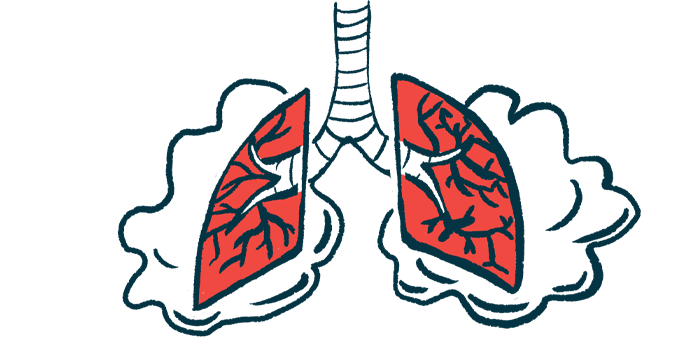
COVID-19 and pulmonary arterial hypertension (PAH) may share molecular mechanisms that could explain common disease-related features, a study reported.
According to researchers, the findings provide a framework for exploring disease mechanisms and prioritizing future therapeutic strategies that target overlapping mechanisms of both conditions.
The study, “Network-Based Multiomics Integration Reveals Immunometabolic Convergence Between COVID-19 and Pulmonary Arterial Hypertension,” was published in OMICS: A Journal of Integrative Biology.

Vascular changes in COVID-19 closely resemble those seen in PAH
COVID-19, which occurs upon infection with the SARS-CoV-2 virus, is a disease primarily affecting the lungs. It causes acute respiratory distress syndrome, a life-threatening condition in which the lungs cannot provide enough oxygen to the body. SARS-CoV-2 infection can also damage the endothelium, the layer of cells lining blood vessels, triggering inflammation and complications affecting the blood vessels in the lungs.
These vascular changes closely resemble those seen in PAH, a progressive disease affecting pulmonary arteries, the blood vessels that supply the lungs. In PAH, persistent endothelial dysfunction, chronic inflammation, and abnormal growth of cells within the vessel wall cause the pulmonary arteries to thicken and narrow over time. This progressively restricts blood flow through the lungs, raising blood pressure and forcing the right side of the heart to work harder to pump blood. These changes can impair oxygen delivery throughout the body.
Although the diseases arise from different causes — a viral infection in COVID-19 and chronic remodeling of the pulmonary arteries in PAH — they share several underlying processes that contribute to disease.
However, “the precise molecular mechanisms underlying their connection remain poorly understood,” the researchers wrote, noting that “no study has systematically compared the multilayered molecular architecture of acute viral pulmonary injury and chronic pulmonary vascular disease.”

103 genes were more overactive in both COVID-19, PAH
To identify potential shared molecular mechanisms, a pair of researchers in Turkey first analyzed publicly available transcriptomic data, or patterns of gene activity, from lung tissue samples collected from 18 people with PAH and 13 healthy individuals, as well as seven people with COVID-19 and three healthy controls.
Comparing data from patients and healthy controls, they identified widespread changes in gene activity in both diseases. Overall, 1,288 genes showed altered activity in COVID-19 and 5,397 in PAH. Among them, 103 genes were more active and 71 were less active in both diseases, suggesting the two conditions share a common molecular signature despite their different causes.
Further analyses showed that these genes with altered activity were involved in different biological processes. Gene activity changes in COVID-19 were mainly associated with immune responses and cellular energy production, whereas those in PAH were linked to cell signaling and communication.
Rather than analyzing these pathways individually, the researchers used them as the starting point for a series of network analyses designed to uncover broader molecular connections.
Taken together, the analyses showed that COVID-19 and PAH begin with the activation of different receptor proteins, which help cells detect and respond to signals. COVID-19 was mainly characterized by receptors involved in recognizing viral infection and activating the immune system, whereas PAH was dominated by receptors linked to blood vessel remodeling and cell growth signaling.
[The analyses] indicated a shared immunological convergence of both diseases.
These differences were also reflected in distinct sets of highly connected proteins, suggesting that each disease is organized around its own molecular network.
Despite these differences, the analyses also “indicated a shared immunological convergence of both diseases,” the researchers wrote.
While each disease had its own metabolic profile, both shared alterations in oxidative phosphorylation — the process cells use to generate most of a cell’s energy — as well as several molecules involved in cellular metabolism. Further analyses also demonstrated that 20 microRNAs, small RNA molecules that regulate gene activity, were commonly observed in both COVID-19 and PAH.
When the researchers integrated all of these findings, they found that COVID-19 and PAH, despite arising through different biological mechanisms, converge on shared regulatory and metabolic changes.
“These results suggest a model of immunometabolic rewiring, in which inflammatory activation and endothelial stress are linked to changes in cellular energy utilization,” the researchers wrote.
This shared regulatory-metabolic core ultimately affects pathways involved in endothelial dysfunction, increased inflammatory signaling, and regulation of blood vessel constriction and relaxation.
“This molecular convergence establishes a mechanistic bridge between acute inflammatory injury and chronic pulmonary vascular dysfunction, while illuminating structured network vulnerabilities of potential diagnostic and therapeutic significance,” the researchers wrote, cautioning that “experimental validation is required.”


Radu Ossman
Nice, profesional writen. I have PAH being diagnosed in 2019 and I take ambrisentan, tadair, remodulin and vinervair I use a oxygen concentrator 24/24. I observed that cold has a bad influence and oxygen must be at low level when I rest and on high when I move.