
Living with pulmonary hypertension changed my definition of normalcy
I may be familiar with PH management, but that doesn't mean it's easy
Written by |
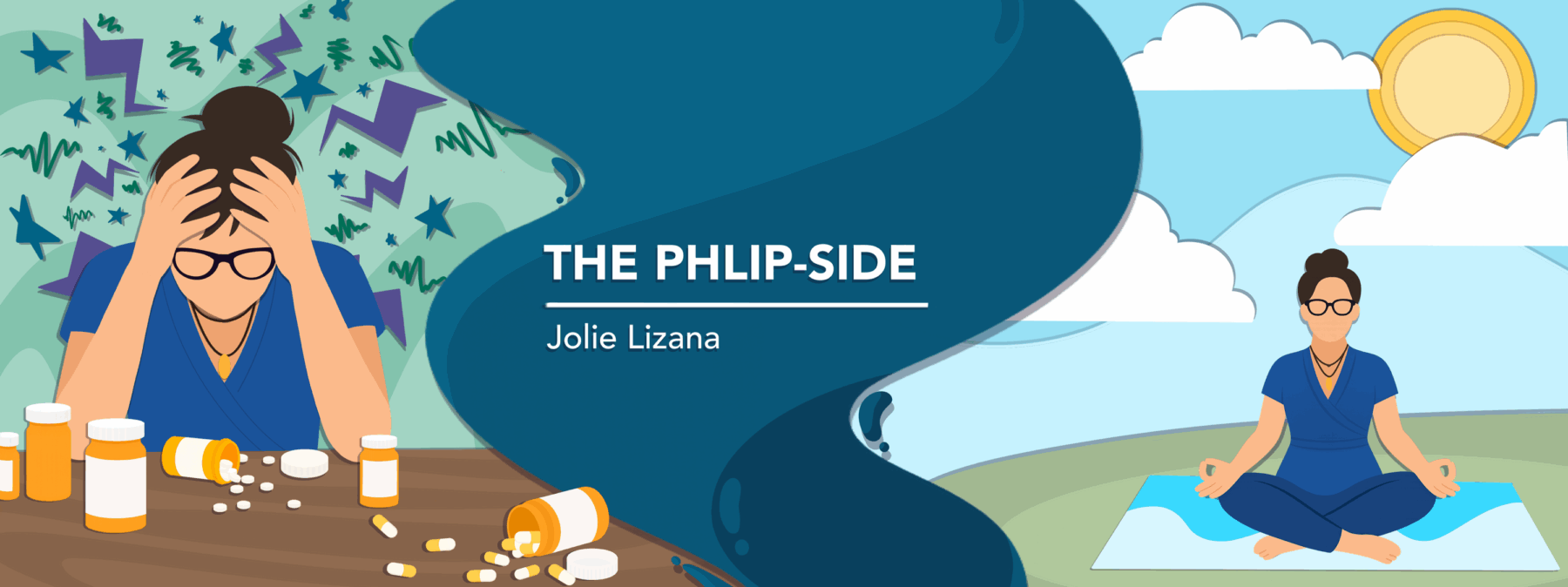
I used to have a favorite pen. Now I have a favorite pulse oximeter. Things that once would have seemed intimidating, complicated, or downright bizarre have become part of everyday life.
Living with pulmonary hypertension (PH) means noticing details most people can afford to ignore. I pay attention to distance, energy, symptoms, oxygen, and whether I have enough left in me for whatever comes next. Those calculations happen so automatically that sometimes I don’t realize I’m making them.
Chronic illness comes with a mental and emotional toll that can, at times, feel as heavy as the physical one. Yet adaptation can make illness look easier to manage than it is. Others may never realize how much reloading and buffering happen in the background — how often I adjust plans, conserve energy, or quietly decide what my body can handle.
I clock the number of chairs and people in a room. My brain just takes an inventory. Before going somewhere new, I look up the parking situation or try to figure out how far I’ll have to walk. An elevator is no longer simply part of a building. It’s must-have information.
Stairs become their own little test. When faced with a staircase, I must decide whether whatever is at the top is worth the energy it will take to get there. When I’m walking with others, I try to keep up and pretend I’m fine, but eventually I have to ask, “Oh my goodness, does anyone else feel this incline?” Even if you can’t see it, trust me, it’s there.

Medical procedures start to feel different
The first time I had a right-heart catheterization, I thought I’d pass out before I even made it to the table. I was terrified. I didn’t sleep at all the night before. Now, I drive myself to and from the procedure and laugh about the time a catheter moved a little too far, setting off massive palpitations.
To someone outside the PH world, that probably sounds terrifying. To me, it was just a weekday.
Sometimes we recognize how much our perspective has changed only when we mention something casually and see someone else’s reaction. Their responses can remind us that what now feels routine once terrified us, too.
Becoming experts on our own bodies
Those of us with PH learn which symptoms deserve immediate attention and which are part of our baseline. I’ve told nurses that an inverted T wave isn’t unusual for me before they have a chance to become concerned. Most nurses appreciate knowing what is typical for the person in front of them.
Over time, we build a kind of personal reference manual for our bodies. We notice patterns, know what deserves a phone call, and often recognize when something feels different before we can fully explain why.
Funnily enough, one of my more recent superpowers is being able to tell when a plane has climbed above or dropped below a certain altitude, based solely on whether my breathing becomes easier or harder.
We also pick up skills we never expected to need. I used to keep water next to my bed, but over time, I learned how to swallow a mouthful of pills without water. It’s probably not the best habit, but I know I’m not alone in that skill, or in knowing how to hook up my own heart monitor.
Familiar does not mean easy
We might get used to the needles, sitting down in a shower, pills, medical equipment, and the endless time spent managing chronic illness. But familiarity does not make any of it easy. Sometimes, normal just means we have learned what needs to be done and how to keep moving while we do it.
We’ve simply lived with chronic illness and its stressors long enough to learn how to coexist with them. My definition of normal has changed, but that doesn’t mean I’ve forgotten how extraordinary some of these ordinary days really are.
For more, follow me on Facebook or Instagram, or read more of my column, “The PHlip-side.”
Note: Pulmonary Hypertension News is strictly a news and information website about the disease. It does not provide medical advice, diagnosis, or treatment. This content is not intended to be a substitute for professional medical advice, diagnosis, or treatment. Always seek the advice of your physician or other qualified health provider with any questions you may have regarding a medical condition. Never disregard professional medical advice or delay in seeking it because of something you have read on this website. The opinions expressed in this column are not those of Pulmonary Hypertension News or its parent company, Bionews, and are intended to spark discussion about issues pertaining to pulmonary hypertension.



Leave a comment
Fill in the required fields to post. Your email address will not be published.