
Sometimes I need to follow the advice I give to others with PH
It's easy to feel like a hypocrite, but in reality, I'm just human
Written by |
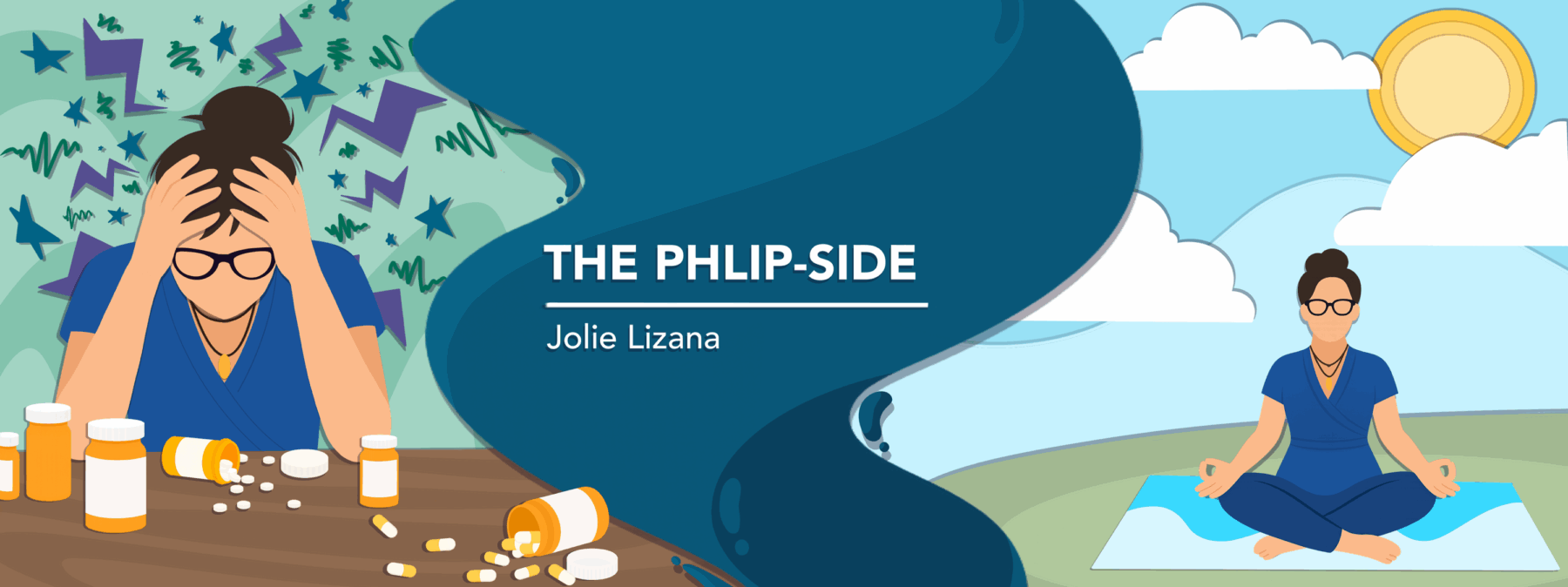
I live with pulmonary hypertension (PH), and I frequently ignore my own advice.
As time goes on, those of us with PH become more in tune with our bodies and learn how to pace ourselves. We remember to take our medications as directed, manage fluid retention, and maintain fluid intake.
We figure out how to stay active safely, look after our mental health, and ask for help when we need it. These lessons come from experience, since symptoms like breathlessness, fatigue, dizziness, swelling, chest discomfort, and the emotional weight of chronic illness can quietly shape our daily lives.

Knowing what helps and doing it perfectly are very different
I recently recorded a podcast with Debbie Charlton and Karen Brown, both of whom are advocates living with scleroderma. We talked about the advice we share with the chronic illness community and how it reflects what we believe, even if we don’t always follow it ourselves.
I told them I had started learning more about scleroderma because I felt like a hypocrite. I tell others to educate themselves about PH, yet I wasn’t doing that with my scleroderma diagnosis.
“Hypocrite” is a harsh and ugly word. I don’t want to be called that. But during our conversation, we were all so humble and honest that we could only laugh, recognizing that many people with chronic illnesses could probably relate.
Karen said she tells others to rest, only to push herself too hard. She talked about illness as a tree: It has visible branches and leaves, but no one can see the roots below. Sometimes, Karen said, we need to remind ourselves of the roots. They may be out of sight, but they yield so much power.
Debbie shared that she tells others to listen to their bodies, while at times ignoring her own warning signs of crashing. I’m certainly guilty of this, as I wrote about in a recent column, “I learn a hard lesson about traveling with pulmonary hypertension.”
We talked about how we’ve encouraged others to ask for help, but haven’t always asked for help when we needed it. We discussed the importance of making plans, staying connected, and having something to look forward to, but we also admitted that we sometimes let our calendars go empty when life feels heavy — the opposite of what we know is helpful.
The most memorable moment from the conversation might have come from Debbie. After we were so open about hypocrisy, she said loudly and without guilt, “Oh, well!” We all laughed and loved that she had said that; her tone, volume, and voice are etched in my mind. It’s what I now hear when I’m being hard on myself for not following my own advice 100% of the time.
Advocating doesn’t mean we have everything figured out
The more I thought about it, the more I realized that while many of us know the word “hypocrite,” it does not tell the whole story. A hypocrite may pretend to believe something they don’t really believe. That is not what I see in the chronic illness community, where the advice we give reflects what we believe, even when we don’t follow it perfectly.
We believe it because we have seen what happens when we ignore it. We know how quickly symptoms can change, how tiring self-management can be, and how important it is to protect our physical and mental health. We simply do not practice every lesson perfectly every day.
This is true for patients, caregivers, advocates, and medical professionals. Doctors may encourage stress reduction while managing demanding schedules. Caregivers may remind loved ones to rest but forget their own needs. Advocates may talk about grace while still learning to give it to themselves. None of this makes the advice less valuable. If anything, the full context may make it more honest.
It means we are willing to share what we have learned, admit where we still struggle, and keep growing alongside those we want to help. Maybe the advice we give isn’t proof that we are perfect, but proof that we are still working on it ourselves. Maybe it shows that we care enough to want better for someone else, even while we are still learning how to live it ourselves.
Maybe the perfect example isn’t perfect at all; it’s human, flawed, and humble. The truth is, sometimes we need our own advice as much as the people we’re trying to help do.
For more, follow me on Instagram or Facebook.
Note: Pulmonary Hypertension News is strictly a news and information website about the disease. It does not provide medical advice, diagnosis, or treatment. This content is not intended to be a substitute for professional medical advice, diagnosis, or treatment. Always seek the advice of your physician or other qualified health provider with any questions you may have regarding a medical condition. Never disregard professional medical advice or delay in seeking it because of something you have read on this website. The opinions expressed in this column are not those of Pulmonary Hypertension News or its parent company, Bionews, and are intended to spark discussion about issues pertaining to pulmonary hypertension.


Leave a comment
Fill in the required fields to post. Your email address will not be published.